Cosy Does It: Why Britain’s Streamers Are Betting on Soft Telly
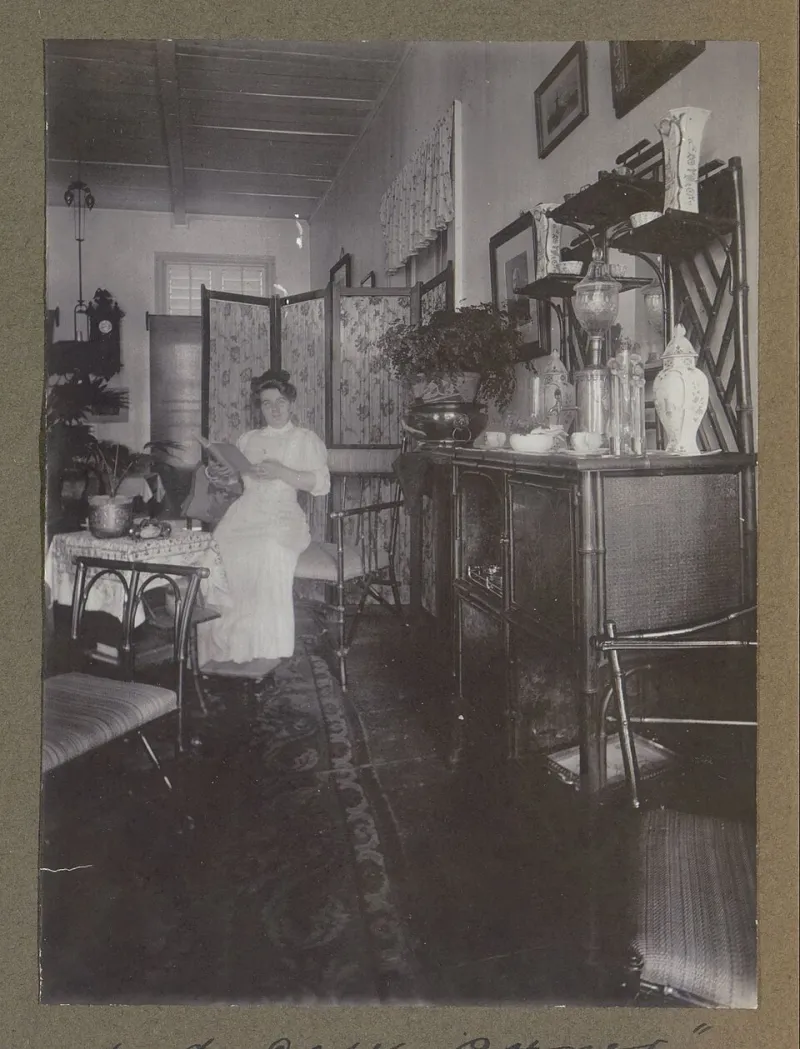
Photo: Rijksmuseum, CC0, via Wikimedia Commons
There’s a particular kind of British evening that streamers have learned to chase. The rain is doing its thing against the window, the kettle has just clicked off, and you’ve got forty minutes before someone asks what’s for dinner. You don’t want a three-body-problem mystery or a drama about the end of the world. You want something warm, familiar and low-stakes — ideally with a nice garden in it.
In 2026, that mood has become a business plan. From iPlayer’s Feel Good collections to Netflix’s growing shelf of gentle British dramas, platforms are increasingly selling comfort over cliffhangers. The pitch is simple: come for the cosy, stay because you can’t face anything bleaker before bed. But is this a smart response to what viewers actually want, or a recipe for a streaming library that feels like one long blanket?
Comfort Is a Promise, Not a Genre
Cosy telly is tricky to define, which is partly why platforms love it. It can be a village mystery, a sitcom, a repair show, a period drama or a documentary about people being kind to each other while restoring a shed. The common thread isn’t subject matter. It’s emotional safety. You know roughly what you’re getting, the stakes are manageable, and the worst thing that happens is usually a awkward parish council meeting rather than the end of civilisation.
That distinction matters. A lot of so-called comfort TV isn’t soft at all — it’s just familiar. British viewers have a high tolerance for gentle gloom, as long as there’s a decent joke and a detective who looks like they need a biscuit. The promise is not that nothing bad will happen. It’s that you won’t be left feeling wrung out afterwards.
The Business Case for a Blanket and a Brew
Why now? Retention, mostly. Prestige dramas get headlines, but cosy telly gets hours. A show that can be half-watched while folding laundry is not a failure in the streaming business; it’s a feature. Comfort series are rewatched, recommended and left on in the background. They don’t demand a recap. They don’t punish you for looking at your phone. And on ad-supported tiers, they offer something incredibly valuable: a relaxed viewer who doesn’t immediately hit pause when the ads arrive.
There’s also the mood of the country. After years of turbulence — pandemic disruption, cost-of-living pressure, endless news alerts — a lot of British viewers are using telly as decompression rather than homework. The success of gentle formats isn’t a surprise. When the real world feels noisy, a show about baking, antiques or a mildly grumpy vet can feel like a national service.
The British Accent on Cosy
American comfort TV often leans into shiny optimism and small-town charm. British cosy is a bit more complicated. It’s damp vicarages, passive-aggressive neighbours, self-deprecating humour and weather that deserves its own credit. The sweet spot is warm without being saccharine, gentle without being dull. That’s harder to make than it looks.
Platforms are learning that UK audiences will accept low stakes if the characters feel real. We’ll forgive a plot that goes nowhere if the dialogue is sharp. We’ll stick with a slow mystery if the landscape is lovely and the lead actor is clearly having a nice time. What we tend to resist is anything that feels manufactured to be wholesome. Cosy, for a British audience, is not the same as twee.
When Every Row Looks Like a Hug
The risk is obvious. If every platform chases the same mood, the rows start to blur. Gentle crime here, comforting baking there, a nostalgic sitcom tucked beside a documentary about train stations. All perfectly pleasant. All starting to look the same. A streaming service that only sells comfort can begin to feel like a hotel lobby playlist: nice enough, but hard to remember once you’ve left.
Cliffhangers still have value. The watercooler drama, the show you text your mate about, the one that makes you say “you won’t believe what happened” — that isn’t going anywhere. The problem isn’t that comfort exists. It’s that comfort could become the default. A menu made entirely of hugs is still a menu with a missing section.
The Counter-Programme Problem
Comfort works best as counter-programming. Put a cosy mystery next to a weird comedy, a tense thriller next to a repair show, and viewers get range. If a platform’s whole identity becomes soft telly, it can start to feel safe in the wrong way — less a place to discover something and more a place to fall asleep. The streamers that get this right will treat cosy as one flavour, not the whole meal.
For viewers, the test is simple: does the cosy stuff feel like a treat or a treadmill? If you’re actively choosing it, lovely. If it’s the only thing the algorithm will show you, that’s when the blanket starts to smother.
So curl up, put the kettle on and enjoy the gentle stuff. Just keep a little room for surprise. Britain’s streamers are betting big on comfort in 2026. The smart ones will remember that comfort is a mood, not a monoculture.