The Half-Watch Generation: A Field Guide to Britain’s Second-Screen Habits
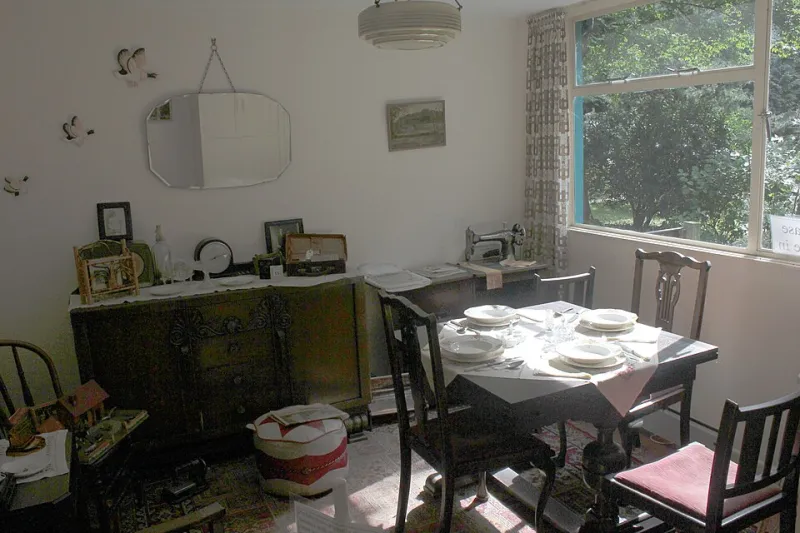
Photo: Unknown authorUnknown author, Public domain, via Wikimedia Commons
There is a moment in every British living room when the television stops being the main event. The show is still on. The credits are still rolling. But someone has picked up a phone, someone else is scrolling a supermarket app, and the person on the sofa has started a group chat about the very programme they are supposedly watching. In 2026, this is not a distraction from telly. It is the way we watch telly.
Second-screen viewing used to feel like a confession. Now it is the default. We half-watch dramas while messaging, half-watch comedies while cooking, and half-watch documentaries while pretending to read the news. The result is a strange new contract between viewer and platform: give us something good enough to look up for, but not so demanding that we cannot look away.
The field guide
The Sofa Scroller. This viewer starts with good intentions. They choose a prestige drama, make a cup of tea, and then spend forty minutes on their phone. They can tell you the plot of episode one and the state of three group chats. They cannot tell you who the murderer was. They are not bored. They are multitasking.
The Kitchen Multitasker. This is the person who puts on a comfort show while making dinner and treats the dialogue as background radio. They are the reason cooking shows and gentle factual series thrive. They are also the reason a quiet, dialogue-heavy drama can lose them in the first ten minutes. If a show requires silence, it had better earn it.
The WhatsApp Chorus. This viewer watches with a phone in hand and a group chat open. Every twist gets a message. Every cliffhanger gets a voice note. They are not watching alone; they are watching with an audience that is also half-watching. The show becomes a shared event, even if nobody is looking at the screen at the same time.
The Cliffhanger Cheater. This viewer half-watches the episode, then reads the recap, then asks someone what happened. They are not lazy. They are efficient. They have decided that the plot is a service and they want the summary, not the journey. Platforms have noticed. Recaps are longer, intros are louder, and the previously on segments are doing more work than ever.
The Sunday Roast Rustler. This is the classic British second-screen viewer: telly on in the background, roast in the oven, radio levels of attention. They are not watching a box set. They are watching a mood. This viewer keeps the lights on for linear channels, festive specials, and any programme that can survive a loud kitchen.
What half-watching does to telly
The obvious casualty is the cliffhanger. A cliffhanger assumes you are looking. If you are replying to a message about whether it is too early to put the bins out, the cliffhanger lands softly. It is not that the show is bad. It is that the viewer was never fully there. The same goes for visual comedy, subtle performances, and any plot point delivered in a whisper.
The second casualty is recommendation. If you half-watch three episodes and abandon a show, the algorithm does not know whether you disliked it or simply got distracted. It feeds you more of the same, or worse, it decides you are a person who likes background drama. That label follows you around.
The survivor is the show that works in two registers: good enough to look up for, forgiving enough to look away from. That is a harder brief than it sounds. It means clear dialogue, strong silhouettes, and a plot that can be picked up after a five-minute break. It is why procedural dramas, cosy crime, and reality formats are thriving. They do not punish you for having a life.
Are platforms commissioning for the half-watch?
There is a quiet suspicion among viewers that streamers are now making telly for people who are not really watching. The evidence is anecdotal but persistent: more recaps, more narration, more obvious music cues, and more scenes that explain themselves. Some of this is accessibility. Some of it is craft. But some of it feels like an admission that the audience is elsewhere.
The risk is not that telly gets simpler. The risk is that it gets forgettable. A show designed to be half-watched is a show designed to be forgotten. The best second-screen telly is not the stuff you ignore; it is the stuff that pulls you back. A great cliffhanger can still cut through a group chat. A great joke can still make you look up.
The new etiquette
We need a new etiquette for the half-watch. Put the phone down for the final ten minutes. Watch the finale properly. Give the show a fair chance before you decide it is background noise. And if you are going to scroll, at least admit it. There is no shame in wanting telly that fits around your life. There is a shame in pretending you watched something you did not.
Second-screen Britain is not going away. The phone is too useful, the sofa is too comfortable, and the kettle is always on. The question is whether we still want telly that rewards attention, or whether we are happy with a stream of pleasant noise. The answer, as ever, depends on what is on.