The Cliffhanger Tax: Britain’s One-Series Dramas and the Quiet Streaming Rage
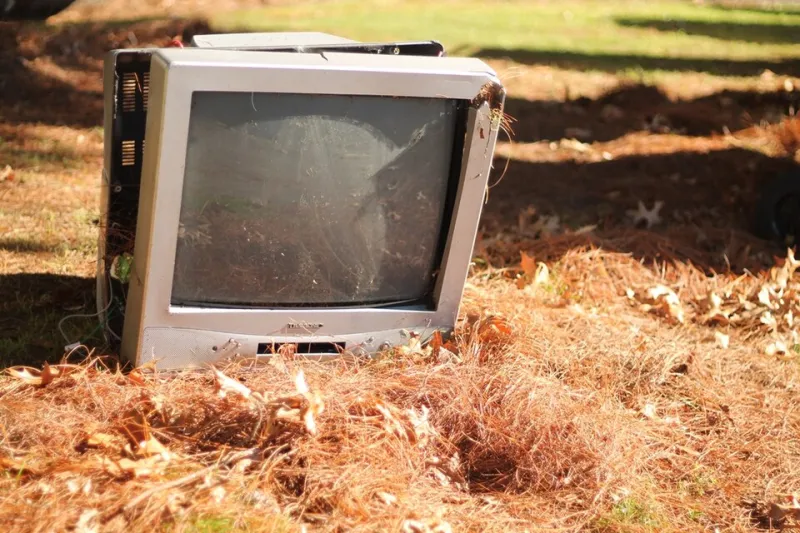
Photo: CentralAuckland, CC BY-SA 3.0, via Wikimedia Commons
British telly has always known how to leave us hanging. But there is a difference between a deliberate tease and a story that simply stops because the money ran out. In 2026, the one-series British drama is starting to feel less like a rare disappointment and more like a pattern. You give a homegrown thriller six hours of your life, recommend it to everyone at work, and then the platform confirms — usually with a carefully worded statement about ‘creative direction’ — that there will be no second series. No closure. No final chapter. Just a very expensive advert for a story that never finishes.
The one-and-done problem
Streamers have always cancelled shows. What feels different now is the speed and the sheer regularity of it. A new British drama lands with a strong cast, a moody trailer and a plot designed to run for three series. Then the viewing figures arrive, the algorithm makes its judgement, and the whole thing is quietly folded away like a deckchair in September.
The frustrating part is not that every show deserves a long life. It is that so many of them are built to end on a question mark. A detective discovers the real killer is someone we have never met. A family secret is half-revealed. A character walks into a room and says, ‘We need to talk about your father.’ Cue credits. Cue cancellation. Cue a small but genuine sense of being mugged by a TV guide.
British viewers are not naive about how television gets made. We know drama is expensive, that co-productions are complicated, and that a streamer cannot keep every show alive out of politeness. But there is a trust issue here. If a programme is marketed as the start of something big, and then abandoned after one series, the audience is left feeling less like a customer and more like a focus group that failed to perform.
What the cancellations say about risk in 2026
Look closely at the current commissioning mood and you can see why one-series shows keep happening. Platforms want immediate impact. They want a title that trends on a Friday night, a cast that can do the press rounds, and a cliffhanger that gets people talking. What they are less keen on is the slow, unglamorous work of letting a drama grow.
That is a problem for British telly in particular. Homegrown drama often needs room to breathe. It needs word of mouth. It needs the sort of gradual audience build that used to happen when a show ran for six weeks and people caught up over the phone. In 2026, the numbers arrive much faster, and the patience arrives much slower. A series can be judged before anyone has had time to finish the second episode.
The result is a strange kind of risk aversion. Platforms order fewer episodes, cancel faster, and then wonder why audiences are reluctant to commit to the next new thing. It is a loop. Viewers wait for a renewal before starting. The platform sees slow starts. The platform cancels. The viewers feel vindicated. And another British drama joins the pile of shows we are still not over.
The quiet anger
This is not the loud anger of a bad finale or a recast lead. It is quieter than that. It is the sigh before pressing play on a new British drama. It is the way people now ask, ‘Is it a limited series or a proper series?’ before committing. It is the group chat message that says, ‘Don’t bother, it gets cancelled.’
That kind of fatigue is hard to measure but easy to spot. British audiences are still hungry for homegrown stories. We want to see our cities, our humour, our weather and our weirdly specific social awkwardness on screen. But we are also tired of investing in shows that feel disposable. A cancelled drama is not just a scheduling decision. It is a broken promise, and enough broken promises start to change behaviour.
There is pushback, of course. Campaigns spring up. Hashtags trend for a weekend. Fans write long posts explaining exactly why the show deserved another run. Sometimes it works. More often it does not. And while the campaigns are a sign of passion, they are also a sign of how often viewers now feel they have to fight for a basic ending.
Is one-series telly becoming the norm?
The honest answer is: sometimes, yes, and sometimes that is fine. A limited series can be a brilliant thing. A story that knows exactly how long it needs is a relief in a telly landscape full of shows that stretch a good idea until it snaps. The problem is not one-series television. The problem is one-series television that pretends it is going to be something else.
If a drama is designed as a closed story, say so. If it ends on a cliffhanger, be honest about the chances of a return. Treat the audience like adults rather than lab rats pressing a lever for another series that may never arrive. That single change would not fix the economics of British drama, but it would reduce the quiet rage considerably.
What would actually help
A few small things could make a difference. Commission with a clearer plan. Stop ending every new drama on an unresolved note unless a second series is already in the bag. Give cancelled shows a decent send-off, even if it is just a statement explaining what would have happened. And maybe — just maybe — let a British drama find its feet before the axe starts swinging.
None of this is revolutionary. It is just basic respect for the people who gave up six hours and a chunk of their evening to care about a story. One-series wonders can be art. They can be a perfectly shaped little gem. But when they are accidental, they leave a bad taste. And in 2026, British viewers are getting that taste far too often.
We will still press play on the next promising homegrown drama. We will still recommend it. We will still hope. We will just be braced for the worst.