Spoiler Fatigue: Britain’s Streaming Trailers Are Showing Too Much, Too Soon

Photo: National Marine Sanctuaries, Public domain, via Wikimedia Commons
There is a particular kind of silence that falls over a British living room when a streaming app decides to autoplay a trailer you did not ask for. One second you are browsing for something light to watch with a cup of tea; the next, you have been shown the wedding, the funeral, the car crash and the bit where the detective says the title of the show in a gravelly voice. By the time you hit back, you already know too much. Welcome to trailer burn: the slow, strange feeling that the preview has done half the job of watching the thing for you.
When a Preview Becomes a Plot Summary
Trailers have always teased. That is the job. But in 2026, the balance has tipped. UK subscribers are being served previews that feel less like an invitation and more like a compressed version of the entire series, complete with the twist that should have landed in episode six and the emotional beat that belongs in the finale. It is not just the length; it is the structure. Modern campaigns often run in three acts, mirroring the show itself, and somewhere in that final thirty seconds the biggest reveal gets dropped like it is a routine bit of housekeeping.
The result is a weird kind of viewing anxiety. You want to be intrigued, but you also want to go in blind. Those two desires used to coexist comfortably. Now they are at war, and the trailer is usually the aggressor.
The Autoplay Trap
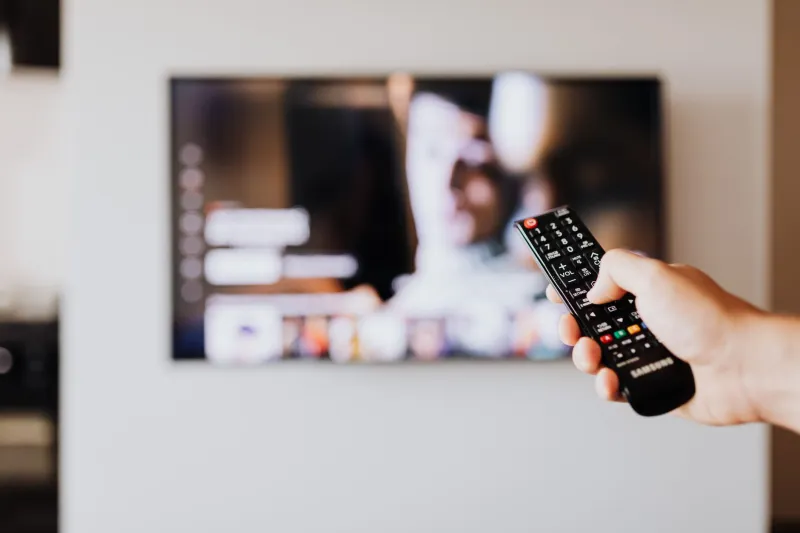
Part of the problem is that we are not choosing to watch these previews. They choose us. Autoplay has become the default setting on almost every major UK streaming interface, and it is relentless. You hover over a thumbnail for slightly too long and the app pounces. On a smart TV, the trailer can start before you have even worked out which remote control you need. On a phone, it is worse: a commute can turn into an accidental spoiler session before you have reached the next stop.
Autoplay trailers are brilliant for engagement metrics and terrible for viewer trust. They create a sense that the platform is not really interested in what you want; it is interested in what it can push. And when the preview gives away a major plot point, that push starts to feel like a shove.
Why Streamers Keep Doing It
The cynical answer is that it works. A trailer that shows the dragon, the kiss, the betrayal and the explosion is easier to sell than one that trades in mood and mystery. Streaming services are battling for attention in a crowded UK market, and the loudest preview often wins the click. There is also a data-driven logic to it: if a trailer performs well in testing, the temptation is to make the next one even more explicit. Repeat that process enough times and you end up with a campaign that is essentially a plot recap with a pop song over the top.
But there is a cost. Viewers are becoming savvier about it. We have learned to look away, to mute, to scroll past. The trailer has gone from being a trusted signpost to something we treat with suspicion. That is a shame, because a good preview can still be a genuine pleasure. The problem is not trailers themselves; it is the assumption that more information is always better.
The Trust Problem
There is a quieter issue here too. When a trailer spoils a show, it does not just ruin a surprise; it changes the way you watch. You spend the early episodes waiting for the moment you have already seen. You are not immersed; you are ticking off boxes. For a UK audience that already has plenty of reasons to feel cynical about streaming subscriptions, that is another small dent in the relationship.
This year, several high-profile campaigns have leaned heavily on third-act reveals, and the reaction has been telling. Social media fills up with variations on the same complaint: why did they show that? It is not the niche grumbling of a few purists. It is a mainstream frustration. People want to be surprised by television. It is one of the few genuine pleasures left in a world where everything is previewed, teased and leaked in advance.
A Cold-Start Button, Please
The obvious fix is not a ban on trailers. It is choice. Streaming apps already know whether we prefer subtitles, whether we want to skip recaps, and whether we are likely to fall asleep during the credits. Adding a proper cold-start option would be simple: a setting that disables autoplay trailers, hides spoilery previews, and lets you browse with nothing more than a title, a poster and a short, spoiler-free logline.
Some services offer a version of this already, but it is often buried in settings or applied inconsistently. What viewers need is a clear, visible toggle — something you can switch on once and trust. Call it Blind Mode, Cold Start, No-Spoil Browsing; the name matters less than the principle. Let us decide when we want to be sold to, and how much we want to know.
What Viewers Can Do Now
Until that happens, a bit of self-defence goes a long way. Turn autoplay off where you can. Browse with the remote in hand and your thumb ready on the back button. If a trailer starts and you feel the plot slipping away, bail out. And if a show has already been spoiled for you, remember that execution still matters. A great performance or a beautifully shot scene can land even when you know what is coming. It is not ideal, but it is something.
The bigger point is that streaming platforms should not treat curiosity as a resource to be spent. A trailer is meant to open a door, not show you the whole room. In 2026, British viewers are asking for a little restraint — and a button that lets us go in cold.